
Into the Blue & Beyond: Freediving, Reef Resilience & Ocean Hope (and eco-conscious freediving gear for women)
- Plunge Waterwear
- Nov 26, 2025
- 5 min read
The ocean’s story is unfolding fast — and as of late 2025, it’s a story of challenge, resilience, and hope. From emerging science that helps reefs survive warming oceans, to waves of conservation action and ever-evolving diving practices, the undersea world calls out for stewards, explorers, and dreamers. If you’re a woman who dives, snorkels, or simply loves the sea’s breath and depth — these are your waters.
Coral Reefs: On the Brink — and Fighting Back
The latest findings remind us just how fragile coral reefs have become — and how urgent our response must be. According to the recently released 2025 “Tipping Point” report, the 2023–2025 global bleaching event (the fourth of its kind) impacted an estimated 84% of coral reefs worldwide. Coral Restoration Foundation

In response, organizations like NOAA and its partners have launched new, large-scale restoration efforts aimed at rebuilding reefs and making them more resilient to future warming. NOAA Fisheries
Among the techniques being used: selective breeding of heat-surviving corals; pairing baby corals with stress-tolerant symbiotic algae and beneficial bacteria; and even innovative “bioprinting” of coral larvae in protective hydrogels to improve survival. NOAA Fisheries
These are not minor initiatives. The aim: to raise coral cover from a meager 2% at some sites to as much as 25% over time — a massive push to restore reef ecosystems before they cross an irreversible threshold. NOAA Fisheries+1
For us who dive, snorkel, or admire the ocean’s beauty — these efforts matter. They influence whether there are fish to see, reef structure to explore, and underwater magic to share with future generations.
Cooler Waters = Stronger Reefs? A New Outlook for Divers & Conservation
In a promising development, new science suggests that so-called “refugia reefs” — cooler, more sheltered reefs — may hold the key to coral resilience. A recent study highlighted that these cooler reef zones, previously dismissed as less dynamic, actually harbor the greatest diversity of heat-tolerant coral species. Int'l Training - SDI | TDI | ERDI | PFI
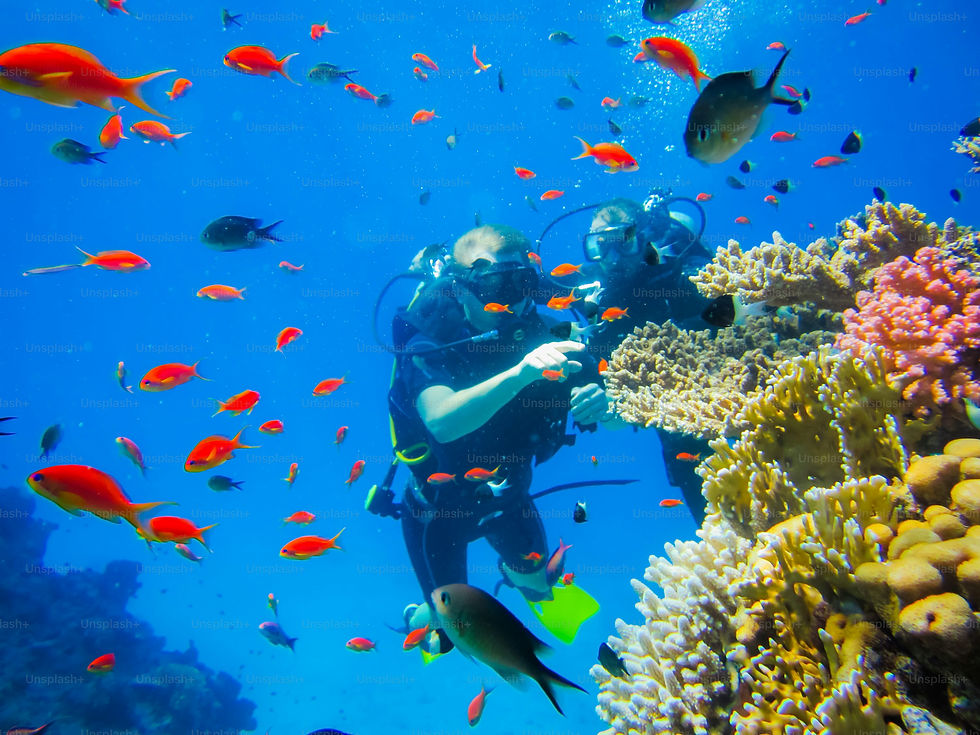
What does that mean for divers and conservationists? It means where we dive — and how often — matter. It means supporting protection of these refugia zones so they can act as lifeboats for coral biodiversity.
It also gives us hope that reefs — if given space, stable conditions, and time — can adapt, survive, and regenerate. And as divers, snorkelers, and ocean lovers, we can play a role through our choices: where we dive, what we support, how we behave underwater.
Diving Responsibly: New Regulations From Thailand Show the Way

Part of protecting reefs comes down to changing human behavior. A clear example: in April 2025, Ministry of Natural Resources & Environment, Thailand rolled out new regulations barring underwater cameras for most entry-level divers — unless they hold advanced certifications or can prove 40 logged dives. Divernet+2DIVE Magazine+2

The rationale: inexperienced divers — especially those juggling buoyancy, gear, and cameras — pose a high risk to fragile reefs. Coral contact, fin kicks, and poor buoyancy control can all damage delicate marine ecosystems. Divernet+2DIVE Magazine+2
New rules also limit group sizes and restrict camera use during training and guided introductory dives. DIVE Magazine+2Fast Manta Diving Krabi+2
This regulation marks a shift toward more respectful, reef-conscious diving practices. And for divers worldwide — not just in Thailand — it offers a model for how we can enjoy the water without harming it.
Innovations in Reef Restoration: Science, Strategy, and Scaled Impact
The battle to save reefs is being fought on many fronts. Beyond restoration, scientists are developing new tools and strategies to make recovery faster, smarter, and more scalable.
In some regions, artificial reef structures — designed to be deployed quickly from ordinary boats — are replacing heavy machinery and minimizing environmental disruption. These flexible installations allow restoration teams to cover more ground, more reefs, more often. IUCN World Conservation Congress+1

As the cost and complexity of reef restoration decreases, opportunities open up for community-driven action — volunteer divers, research teams, and eco-tour operators. Younger divers and marine-minded travelers can become active participants in reef revival.
When reefs return — healthy, diverse, resilient — the payoff isn’t just ecological. For diving, snorkeling, freediving — it means more life, more structure, more underwater wonder.
WHAT THE FISH: The Reef’s Little Rainbow — Meet the Mandarinfish

Amid coral branches and reef rubble, there swims a creature of pure underwater magic: the Mandarinfish (often Synchiropus splendidus), a tiny reef-dweller whose colors and patterns look like they come from another world.
With swirling blues, electric greens, fiery oranges — and a psychedelic, almost neon glow — the mandarinfish seems too ornate for reality. At dusk, especially, males perform an enchanting courtship dance: rising gently off the reef, spreading their fins, and releasing sperm and eggs into the water column in a graceful, ghost-like ritual.
Why does this little fish matter? Because it depends on healthy coral rubble, crevices, and reef structure to hide, feed, and spawn. When reefs degrade — bleaching, breakage, erosion — creatures like mandarinfish lose their homes. Seeing a mandarinfish while diving is a small reward... but also a reminder: behind every tiny reef gem is a browser of bigger ecological stakes.
If we lose the corals, we lose the mandarin’s stage.
What It All Means — For the Ocean, for Divers, for You
As of November 2025, the ocean remains a place of both alarming vulnerability — and urgent, hopeful action. The global bleaching crisis has scarred reefs. But science, restoration, and changing human practices are fighting back.
For divers, freedivers, snorkelers — every dive matters. Not just the depth, or the thrill, or the photos — but how we behave underwater. The pattern of regulation sweeping across countries, the emergence of refugia-based reef science, the explosion of restoration initiatives: all point to a new ethic of diving.
We must dive responsibly. We must care about where we dive, how often, and with what gear. We must support reef restoration, conservation efforts, and community engagement rather than just tourism or recreation.
If you're a woman blessed with a bit of adventure and a lot of love for the sea — now is the moment to dive in, deepen your connection, and let the ocean shape not just your underwater experience — but your values.
Your Gear, Your Commitment — Why Plunge Waterwear Matters
At Plunge Waterwear we believe freediving gear for women can — and should — reflect more than style. It should reflect purpose.
Our women’s UPF 50+ dive suits and dive headbands are designed not just for comfort and freedom of movement, but for conscious diving. When you slip into one of our dive skins: you’re choosing gear that moves with you, lets you glide softly through the water, and supports your mission to experience the ocean without harming it.
Whether you’re freediving, snorkeling reefs, or joining a reef-restoration snorkel or dive trip — your choice of gear becomes a statement: that you cherish the water, respect the reef, and want to explore with intention.
So as the oceans work to heal, evolve, and survive — so do we. Dive in with purpose.


Comments